 By xingtian
Dry, tight, and dull skin can make even a well-planned skincare routine feel incomplete. Applying moisturizer every day is important, but sometimes the skin needs additional hydration support. This is one reason why herbal facial masks have become an appealing choice for people who want to improve their skincare routine.
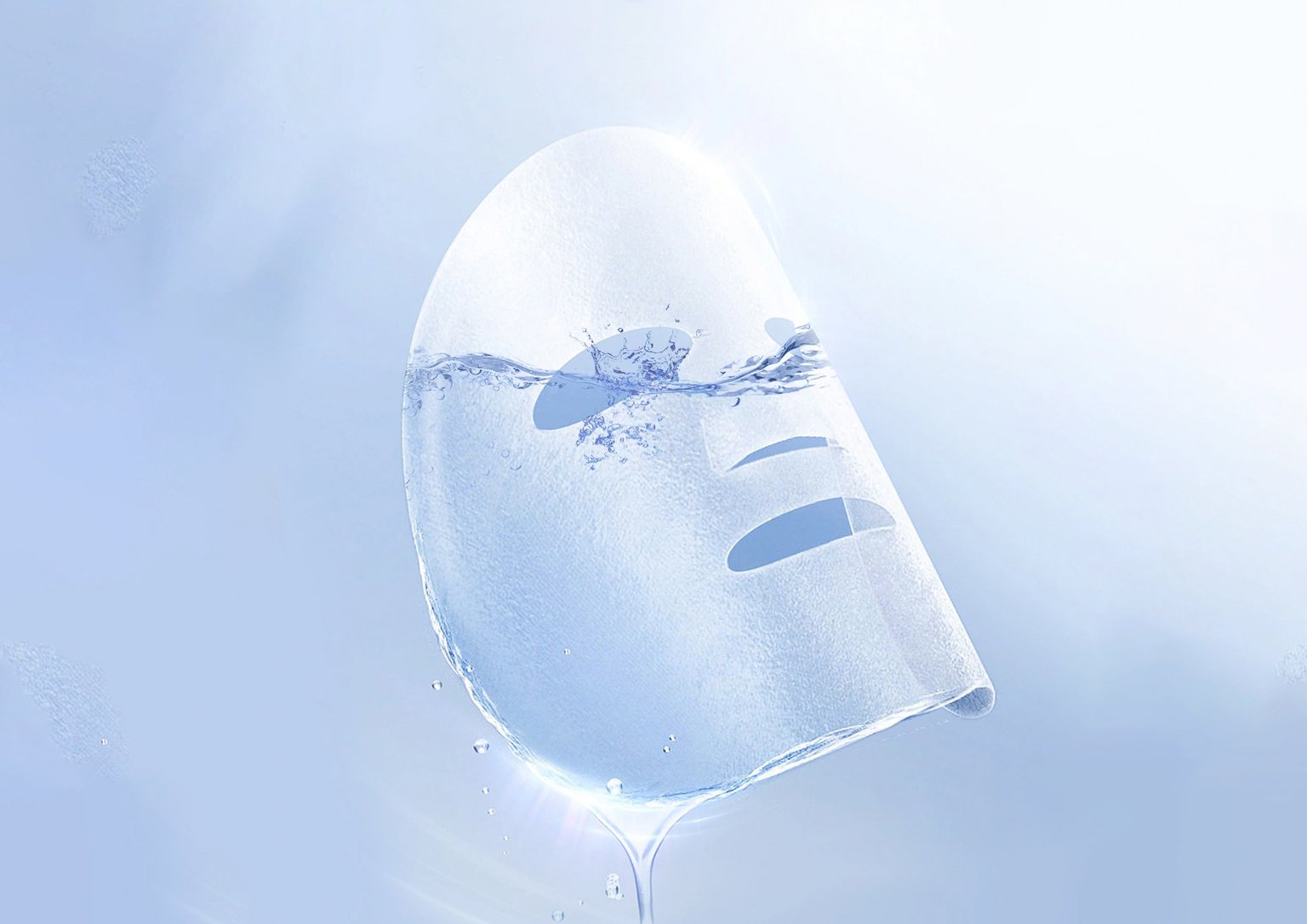
A well-formulated herbal facial mask combines hydrating ingredients with selected botanical extracts to help the skin feel softer, smoother, and more comfortable. But how can a herbal face mask support longer-lasting hydration? The answer depends on its ingredients, formula design, and how it fits into daily skincare.
Providing Additional Moisture to Dehydrated Skin
One of the main purposes of a hydrating facial mask is to provide the skin with additional moisture. Environmental factors such as dry air, air conditioning, sun exposure, and frequent cleansing can leave the skin feeling tight or dehydrated.
A herbal hydrating face mask can help address this feeling by delivering a moisture-rich essence directly to the skin’s surface. Ingredients such as glycerin, hyaluronic acid, and other moisturizing agents are commonly used in facial mask formulations because they help attract or retain water.
When used as part of a regular skincare routine, a hydrating herbal facial mask can leave the skin feeling refreshed and more comfortable.
How Herbal Ingredients Complement Hydration
Hydration is important, but the overall formulation also matters. Botanical extracts are widely used in skincare products because they can provide additional formulation benefits and support a pleasant skincare experience.
Depending on the formula, ingredients such as aloe vera, chamomile, green tea, and centella asiatica may be included in herbal facial masks. Each botanical ingredient has its own characteristics, so manufacturers need to select extracts according to the product’s intended positioning and formulation requirements.
For example, aloe vera is commonly used in moisturizing skincare products, while chamomile and centella asiatica are often selected for soothing-oriented formulations.
Combining botanical extracts with moisturizing ingredients allows brands to develop a herbal facial mask that addresses more than one skincare preference. However, the actual performance depends on ingredient concentration, compatibility, and overall formula quality.
Why the Mask Sheet and Essence Formula Matter
A facial mask is not defined by its ingredients alone. The sheet material and essence formulation also influence the user’s experience.
A suitable mask sheet should fit comfortably against the face and help distribute the essence across the skin. If the sheet dries too quickly, the application experience may become less comfortable. Material selection is therefore an important consideration when developing a high-quality herbal facial mask.
The essence formula also needs to maintain suitable consistency and stability. Its texture should allow even application without feeling unnecessarily heavy or sticky.
For brands developing a dual hydration herbal facial mask, balancing the moisture level, essence texture, botanical ingredients, and sheet material is essential. These details help create a more consistent product experience.
How to Maintain Hydration After Using a Facial Mask
A facial mask can provide temporary hydration, but maintaining skin moisture requires a complete skincare routine.
After removing the mask, gently pat the remaining essence onto the skin. Follow with a suitable moisturizer to help reduce moisture loss. This step is particularly useful for people with dry skin or those living in environments with low humidity.
It is also important to avoid excessive cleansing and choose skincare products that match your skin type. Using a herbal facial mask regularly according to its product instructions can complement these daily habits.
Remember that a facial mask is an additional skincare step, not a replacement for moisturizer or other basic skin care.
What Should Brands Look for in a Herbal Facial Mask Manufacturer?
For skincare brands, distributors, and importers, product quality begins with choosing the right manufacturing partner.
A professional herbal facial mask manufacturer should be able to explain its ingredient selection, formulation development, sheet material options, production process, and quality control procedures. Buyers should also consider packaging choices, product stability, documentation, and the manufacturer’s ability to support export requirements.
For brands targeting different international markets, OEM and private label services can make product development more flexible. These services may include customized formulas, packaging design, and product specifications based on the brand’s requirements.
Hongjitang has an established background in the health and pharmaceutical industry. For buyers exploring herbal-inspired skincare products, working with manufacturers that understand ingredient quality, production consistency, and product development is an important part of building a reliable supply chain. Buyers should confirm the specific cosmetic manufacturing capabilities, certifications, and export documentation available for the product they intend to source.
Conclusion
A herbal facial mask can support a more comfortable skincare routine by combining moisturizing ingredients with selected botanical extracts. However, long-lasting hydration is not determined by herbal ingredients alone. The essence formula, mask sheet material, product quality, and follow-up moisturizing routine all play important roles.
For consumers, choosing a suitable herbal hydrating face mask can be a convenient way to add moisture to daily skin care. For brands and importers, selecting an experienced manufacturer is equally important for developing consistent, market-ready facial mask products.
Leave A Comment