 By xingtian
Why is diosmectite used in certain gastrointestinal medicines, and what makes it different from many other mineral materials? One important characteristic is its adsorption capacity. Its unique mineral structure and surface properties allow it to interact with certain substances in the gastrointestinal environment.
For pharmaceutical manufacturers and raw material buyers, understanding these properties is more than a scientific interest. It helps explain why diosmectite quality, purity, and consistency matter when selecting materials for pharmaceutical production. So, what actually gives diosmectite its adsorption capacity?
Its Unique Layered Mineral Structure
The adsorption properties of diosmectite are closely related to its layered mineral structure. As a smectite clay, it consists of thin layers arranged in a specific structural pattern. These layers contribute to its surface characteristics and ability to interact with selected substances.
Unlike materials with relatively simple surface structures, smectite minerals have properties that support interactions with different molecules and ions. Depending on the surrounding conditions, certain substances can attach to the surfaces or interact with the charged sites of the mineral.
This structural feature is one of the reasons why diosmectite is used in pharmaceutical products designed for gastrointestinal applications. When evaluating pharmaceutical-grade diosmectite, buyers should therefore consider not only its general mineral identity but also the quality and consistency of its material structure.
Surface Area and Surface Properties
Surface characteristics are another important factor influencing diosmectite adsorption capacity. A material’s available surface provides sites where interactions with other substances may occur.
Diosmectite has a fine, layered structure that contributes to its surface area. Its surface charge and exchange properties also influence how it interacts with certain substances. These characteristics help explain its adsorption behavior under appropriate conditions.
However, adsorption capacity is not determined by surface area alone. The type of substance being adsorbed, the pH of the surrounding medium, ionic conditions, and the presence of competing substances can all affect the results.
For this reason, claims about high adsorption capacity diosmectite should be supported by appropriate testing and scientific evidence. Results obtained under specific laboratory conditions should not automatically be treated as proof of identical performance in every gastrointestinal environment.
Mineral Composition and Raw Material Purity
The quality of diosmectite raw materials also plays an important role in their pharmaceutical suitability. Mineral composition, purity, and unwanted impurities can influence the material’s physical and chemical characteristics.
For pharmaceutical manufacturers, consistent raw material quality is essential. Variations in mineral composition or impurity levels may create differences between production batches and make quality management more difficult.
When sourcing pharmaceutical-grade diosmectite, buyers should review the product specification, identification tests, impurity limits, and certificate of analysis. These documents help confirm whether the material meets the agreed requirements for its intended application.
It is also important to distinguish diosmectite from ordinary montmorillonite-containing materials. Although they are related mineral materials, not every montmorillonite raw material automatically meets the requirements for pharmaceutical-grade diosmectite.
How Adsorption Conditions Influence Performance
Even when the raw material has suitable characteristics, adsorption behavior can change according to the surrounding environment.
Several factors may influence the interaction between diosmectite and other substances:
- pH conditions: The acidity or alkalinity of the surrounding medium can affect surface interactions.
- Substance characteristics: Different molecules and ions may interact with diosmectite in different ways.
- Ionic environment: The presence of other ions can influence adsorption and ion-exchange behavior.
- Competing substances: Other compounds in the medium may compete for available interaction sites.
These factors are particularly relevant when researchers evaluate diosmectite adsorption properties or pharmaceutical manufacturers develop gastrointestinal formulations. A reliable assessment should consider the intended application and use appropriate testing conditions.
Diosmectite is used in certain medicines for the symptomatic management of diarrhea. Its properties should not, however, be interpreted as evidence that it can adsorb every toxin or harmful substance in the intestines.
Why Adsorption Capacity Is Important in Pharmaceutical Applications
Understanding adsorption capacity helps pharmaceutical companies evaluate the functional characteristics of diosmectite. However, a suitable pharmaceutical raw material must meet more requirements than a single performance indicator.
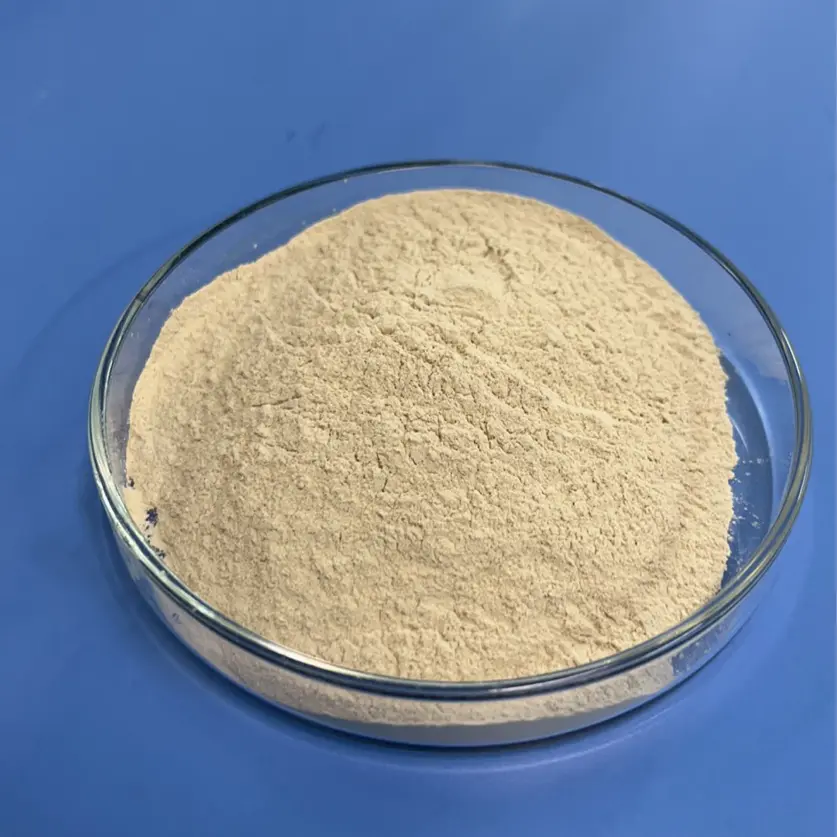
Manufacturers should consider product identity, purity, physical properties, batch consistency, and applicable pharmacopeial or regulatory requirements. For diosmectite powder used in oral pharmaceutical formulations, factors such as particle characteristics, dispersion behavior, and compatibility with other formulation components may also need evaluation.
This is why pharmaceutical buyers should assess the complete quality profile rather than choosing a product based only on a general claim of high adsorption capacity.
Choosing a Reliable Diosmectite Manufacturer
For international pharmaceutical buyers, choosing a dependable diosmectite manufacturer is an important part of maintaining a stable supply chain.
A qualified supplier should be able to provide clear product specifications, relevant quality documentation, batch information, and practical communication about packaging and export requirements. Buyers should also confirm which standards and regulatory documents apply to the specific product and destination market.
HJT Pharma, is a pharmaceutical company associated with diosmectite products. International buyers interested in pharmaceutical-grade diosmectite can contact the company to discuss product specifications, quality documentation, and supply requirements.
When comparing a diosmectite API manufacturer or bulk diosmectite supplier, buyers should focus on verifiable product information and consistent quality management rather than relying solely on promotional descriptions.
Conclusion
Diosmectite’s adsorption capacity is related to its layered mineral structure, surface properties, and interactions with substances under specific environmental conditions. Mineral composition, raw material purity, and testing conditions also influence how its adsorption properties are evaluated.
For pharmaceutical manufacturers and international buyers, understanding these factors helps support better raw material selection and quality assessment. Working with an experienced supplier such as HJT Pharma provides an opportunity to discuss product specifications and pharmaceutical supply needs in greater detail.
Frequently Asked Questions
1. What is the main reason for diosmectite’s adsorption capacity?
Its layered smectite mineral structure, surface characteristics, and interaction sites contribute to its ability to interact with certain substances.
2. Does higher surface area always mean higher diosmectite adsorption capacity?
Not necessarily. Adsorption also depends on the substance involved, surface properties, pH, ionic conditions, and testing methods.
3. What should buyers check when sourcing pharmaceutical-grade diosmectite?
Buyers should review product specifications, purity, impurity limits, COA, batch consistency, applicable quality standards, and supplier documentation.
Leave A Comment