 By xingtian
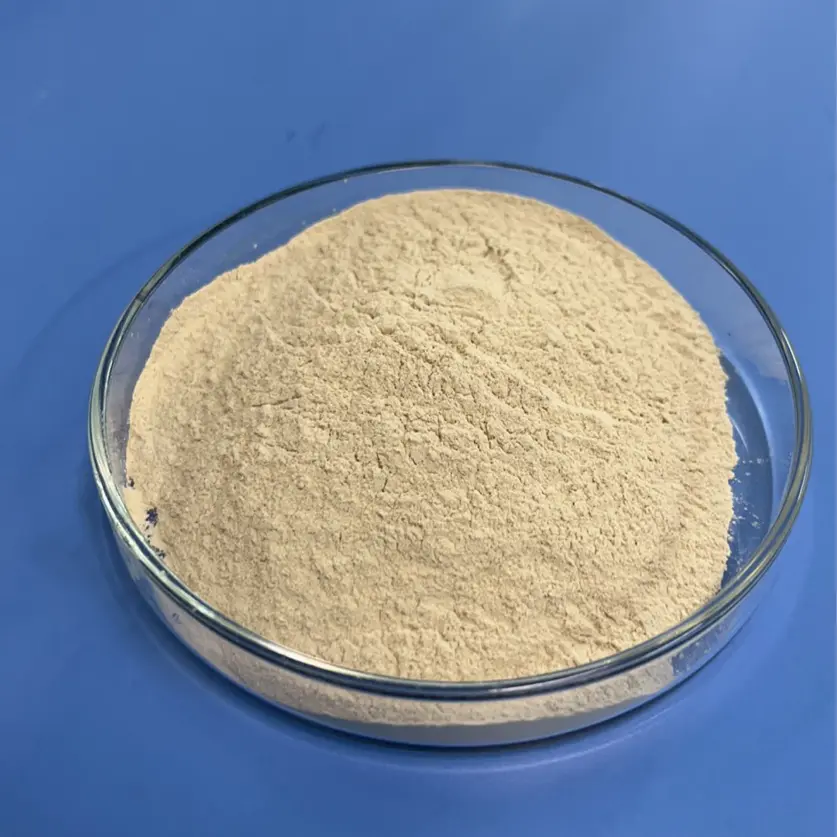
In pharmaceutical manufacturing, the quality of raw materials directly influences the consistency, safety, and reliability of finished products. This is particularly important for mineral-based ingredients such as montmorillonite, which may be used in specific gastrointestinal pharmaceutical formulations after appropriate processing and quality evaluation.
For pharmaceutical manufacturers, selecting montmorillonite is not simply a matter of finding a supplier with competitive prices. Raw material composition, purity, physical properties, batch consistency, and quality documentation all deserve careful attention. Understanding these factors helps buyers evaluate pharmaceutical-grade montmorillonite and establish more reliable supply relationships.
Raw Material Composition and Purity
Montmorillonite is a clay mineral belonging to the smectite group. Its properties can vary depending on the mineral source, associated minerals, and processing methods. Therefore, two montmorillonite materials with similar descriptions may not have identical characteristics.
For pharmaceutical applications, manufacturers need to understand the composition of the incoming material. Relevant considerations may include mineral identity, the presence of associated minerals, and impurities that could affect its suitability for the intended formulation.
A qualified montmorillonite raw material supplier should provide appropriate specifications and testing documentation to support material evaluation. Buyers should confirm that the supplied material meets the requirements of the intended pharmaceutical application rather than relying on the product name alone.
It is also important to distinguish general montmorillonite from diosmectite. Although diosmectite is a specific smectite material used in certain gastrointestinal medicines, not every montmorillonite raw material is equivalent to pharmaceutical-grade diosmectite.
Why Batch Consistency Matters
A pharmaceutical formulation is developed around defined material characteristics. When the properties of an incoming raw material vary significantly between batches, manufacturers may need to investigate changes in processing behavior or finished-product performance.
For montmorillonite, relevant characteristics can include mineral composition, particle-size distribution, moisture content, and other parameters specified for the intended use.
Consistent raw materials help manufacturers maintain better control over formulation development and production processes. They also make it easier to investigate deviations, compare production batches, and maintain documented quality standards.
For companies purchasing bulk montmorillonite for pharmaceutical production, batch-to-batch consistency should be an important supplier evaluation criterion. Buyers can review material specifications, certificates of analysis, and batch records where appropriate to understand how the manufacturer monitors consistency.
Impurity Control and Pharmaceutical Suitability
Impurity control is another essential part of pharmaceutical raw material evaluation. Naturally occurring minerals may contain associated substances that require assessment before the material is considered suitable for a specific application.
Depending on the material and applicable requirements, evaluation may include relevant elemental impurities, microbial quality, and other potential contaminants. The exact testing program should be established according to the intended use, risk assessment, and applicable pharmacopoeial or regulatory requirements.
A reliable pharmaceutical montmorillonite manufacturer should have appropriate raw material acceptance procedures and quality-control measures. These controls help ensure that materials are evaluated against defined specifications before being released for further processing.
Importantly, a material described as “natural” or “high purity” should not automatically be assumed to meet pharmaceutical requirements. Suitability must be supported by appropriate testing and documentation.
Physical Properties and Formulation Performance
Montmorillonite has distinctive physical and surface properties. Depending on its grade and processing history, these properties can influence how the material behaves during formulation and manufacturing.
For example, particle-size distribution may affect dispersion and processing characteristics. Moisture content may influence storage and handling, while other material properties may affect the consistency of a formulation.
Manufacturers should therefore define the physical parameters that matter for their specific product. These specifications should be based on formulation requirements and verified through appropriate testing.
For gastrointestinal pharmaceutical products, the identity and grade of the active ingredient are particularly important. If a formulation requires diosmectite, a general montmorillonite material should not be substituted without scientific evaluation and the necessary regulatory review.
Processing and Quality Control from Supplier to Manufacturer
Raw material quality depends not only on the mineral source but also on how the material is processed, tested, packaged, and stored. Effective controls help reduce unwanted variation before the material reaches a pharmaceutical production line.
A professional montmorillonite supplier should be able to explain its material specifications, quality-control procedures, traceability arrangements, and packaging requirements. Buyers may also need information about storage conditions, shelf life where applicable, and transportation arrangements.
For international procurement, documentation is especially important. Pharmaceutical buyers should review certificates of analysis and other relevant technical or regulatory documents, while confirming that the documents match the supplied material and destination-market requirements.
Hongjitang is a pharmaceutical company with experience in pharmaceutical manufacturing. Through HJT Pharma, the company offers a relevant point of contact for businesses researching diosmectite-related pharmaceutical products and supply options. Buyers interested in these products should confirm the exact grade, dosage form, specifications, and available documentation directly with the supplier.
How to Choose a Reliable Montmorillonite Supplier
When evaluating a pharmaceutical-grade montmorillonite supplier, purchasing teams should look beyond price and availability. A structured assessment can help identify suppliers whose materials and quality systems align with the buyer’s requirements.
Key questions include:
Material identity: Is the mineral or pharmaceutical ingredient clearly identified and appropriately specified?
Quality documentation: Can the supplier provide relevant test results and a certificate of analysis for each applicable batch?
Consistency: Are acceptance criteria and batch-monitoring procedures clearly defined?
Traceability: Can the supplied material be traced through the relevant production and quality records?
Regulatory suitability: Does the material meet the requirements of the intended application and destination market?
Supply capability: Can the manufacturer support the required order volumes, packaging, and delivery arrangements?
These checks are especially useful for importers, distributors, and pharmaceutical companies seeking a long-term raw material supplier. Clear specifications and communication can reduce procurement uncertainty and help both parties establish realistic quality expectations.
Conclusion
Montmorillonite raw material quality can affect pharmaceutical formulation development, manufacturing consistency, and the ability to meet defined quality requirements. Composition, purity, batch consistency, impurity control, physical properties, and traceability all play important roles in evaluating a material for its intended use.
For pharmaceutical buyers, the best approach is to define technical requirements before purchasing and verify them through suitable testing and documentation. Working with a supplier that understands pharmaceutical quality expectations can make sourcing more transparent and support more consistent manufacturing.
HJT Pharma are relevant contacts for businesses exploring diosmectite-related pharmaceutical products. By confirming product specifications, quality documentation, and supply capabilities, buyers can make more informed decisions when assessing potential pharmaceutical manufacturing partners.
FAQs
1. Why is montmorillonite raw material quality important in pharmaceutical manufacturing?
Raw material quality can influence formulation consistency, processing behavior, impurity control, and compliance with defined specifications. Materials should be evaluated according to their intended pharmaceutical use.
2. Is all montmorillonite suitable for pharmaceutical formulations?
No. Suitability depends on material identity, composition, purity, testing results, processing, and applicable regulatory requirements. General montmorillonite should not automatically be treated as equivalent to pharmaceutical-grade diosmectite.
3. What should buyers check when choosing a montmorillonite supplier?
Buyers should review material specifications, certificates of analysis, batch consistency, traceability, quality-control procedures, regulatory suitability, and the supplier’s ability to meet packaging and delivery requirements.
Leave A Comment