 By xingtian
Diarrhea is a common digestive problem that can affect people of different ages and may be associated with changes in diet, infections, digestive disorders, or other factors. When developing gastrointestinal medicines, pharmaceutical companies often focus on ingredients that can work locally in the digestive tract and support symptom management.
Montmorillonite for diarrhea is an important topic for pharmaceutical manufacturers, healthcare product developers, and raw material buyers. Montmorillonite-based ingredients, particularly pharmaceutical-grade diosmectite, are used in gastrointestinal formulations because of their physical properties and local action in the digestive system.
But how does montmorillonite support gastrointestinal care, and what should buyers know when sourcing pharmaceutical-grade montmorillonite?
Understanding Montmorillonite in Gastrointestinal Products
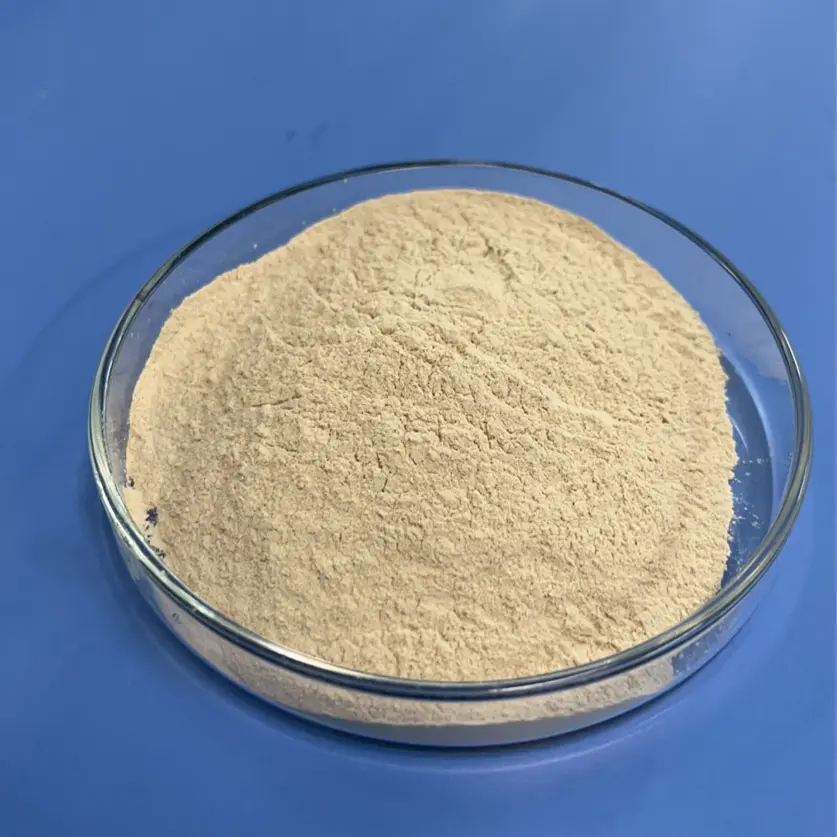
Montmorillonite is a naturally occurring clay mineral with a layered structure. Its physical and surface properties make it useful in selected pharmaceutical applications.
Diosmectite is a purified form of dioctahedral smectite and is commonly used in products intended for gastrointestinal symptom management. In suitable formulations, it acts locally within the digestive tract rather than being developed primarily for systemic absorption.
For manufacturers researching pharmaceutical-grade montmorillonite for diarrhea, understanding the characteristics of the raw material is essential. The mineral source, purification process, particle properties, and quality controls can all influence its suitability for pharmaceutical production.
How Does Montmorillonite Support Gastrointestinal Care?
Montmorillonite-based products are commonly associated with their ability to interact physically with substances in the gastrointestinal tract. Diosmectite can form a protective layer over the intestinal mucosa, which may help support the natural barrier function of the digestive tract.
This local action is one reason why diosmectite is used in certain products for symptomatic management of diarrhea.
However, it is important not to treat every montmorillonite material as interchangeable. Different mineral products may have different purity levels, physical properties, processing methods, and intended uses. Pharmaceutical applications require materials that meet the specifications established for the finished product.
Supporting the Intestinal Mucosal Barrier
The intestinal mucosal barrier plays an important role in protecting underlying tissues and regulating interactions between the intestinal contents and the body.
During diarrhea, changes in intestinal conditions may contribute to discomfort and increased fluid loss. Diosmectite-based formulations are designed to work locally and may help support the protective environment of the intestinal mucosa.
For companies developing montmorillonite-based gastrointestinal formulations, the functional properties of the ingredient should be considered together with the complete formulation. The final product’s performance depends on more than the raw material alone.
Diosmectite should also not be viewed as a replacement for fluid and electrolyte replenishment. People with diarrhea need to pay attention to hydration, especially when symptoms are severe or prolonged.
Why Pharmaceutical Grade Matters
Not all montmorillonite powders are suitable for pharmaceutical use. Raw materials intended for medicines need to meet relevant quality requirements and should be manufactured under appropriate controls.
Important considerations may include:
- Raw material identity and consistency
- Purity and impurity control
- Physical and chemical characteristics
- Microbiological quality, where applicable
- Manufacturing and testing procedures
- Batch documentation and traceability
For buyers looking for a pharmaceutical-grade montmorillonite supplier, these factors can help determine whether a material is suitable for their intended pharmaceutical application.
A reliable supplier should be able to communicate clearly about product specifications, quality testing, and the documentation available for different markets.
Montmorillonite Powder and Finished Suspension Products
Montmorillonite may be used as a pharmaceutical ingredient in different product formats. Powder-based products and suspension products have different formulation and manufacturing requirements.
A finished diosmectite suspension for diarrhea needs appropriate attention to dispersion, uniformity, packaging, storage, and product stability. These factors can influence the quality and usability of the finished medicine.
For pharmaceutical companies, selecting the right raw material is only one part of product development. Cooperation with an experienced manufacturer can also support communication about specifications, packaging options, and supply requirements.
Choosing a Reliable Montmorillonite Manufacturer
When purchasing montmorillonite for pharmaceutical applications, buyers should evaluate the manufacturer’s overall capabilities rather than focusing only on the quoted price.
A professional montmorillonite raw material manufacturer should have clear procedures for material selection, processing, quality control, and batch management. Buyers may also need technical documents and testing information to support internal evaluation or regulatory activities.
For international customers, export experience is another consideration. Clear communication, suitable packaging, accurate documentation, and stable production arrangements can help reduce difficulties during cross-border procurement.
HJT Pharma: Pharmaceutical Manufacturing and Global Supply
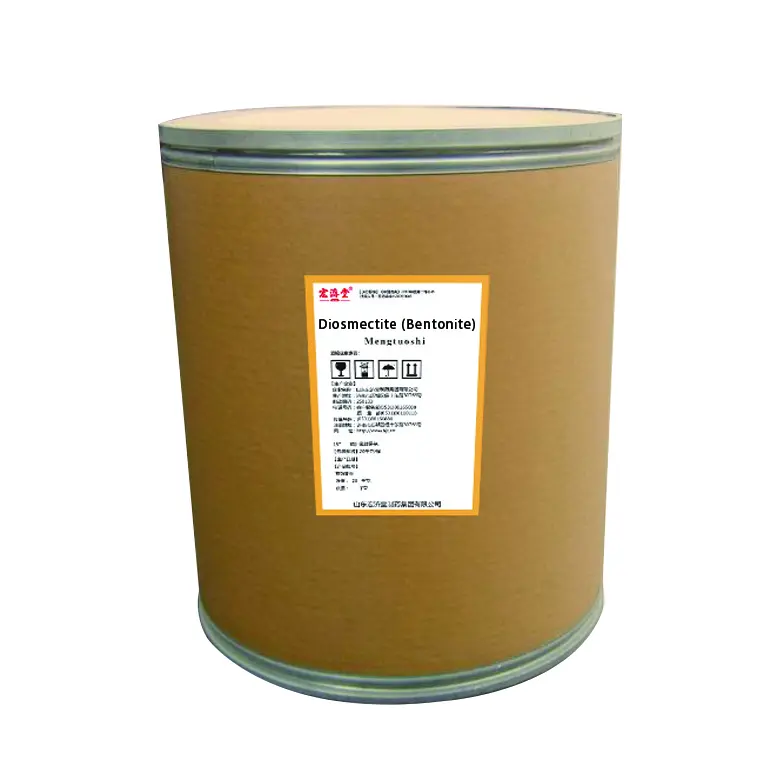
HJT Pharma, part of Hongjitang, focuses on pharmaceutical products and Diosmectite-related raw materials and finished products. The company serves the pharmaceutical supply chain and provides a manufacturer-based option for customers seeking pharmaceutical-grade montmorillonite and diosmectite products.
For overseas pharmaceutical buyers, cooperation with a specialized manufacturer can create opportunities to discuss product requirements, bulk supply, quality documentation, and international order arrangements.
When evaluating a montmorillonite for diarrhea supplier, customers should consider whether the company can provide suitable product information and maintain consistent communication throughout the purchasing process.
Conclusion
Montmorillonite, particularly pharmaceutical-grade diosmectite, has an established role in selected gastrointestinal formulations. Its local physical action and interaction with the intestinal mucosa are important considerations when developing products for diarrhea symptom management.
However, product quality depends on more than the mineral itself. Raw material selection, purification, manufacturing controls, testing, batch consistency, and documentation all contribute to a reliable pharmaceutical ingredient or finished product.
For pharmaceutical companies and international distributors, choosing an experienced montmorillonite manufacturer can support more effective sourcing and long-term supply planning. HJT Pharma provides a pharmaceutical manufacturing option for buyers interested in Diosmectite-related products and international B2B cooperation.
Leave A Comment